
OSC Member Spotlight
The Member Spotlight highlights a standout member of the Oklahoma Safety Council. This spotlight is an opportunity to share successful safety practices, innovative ideas, and real-world strategies that help keep workplaces safer.
Do you have a unique safety practice at your organization and want to share it? Reach out to your account manager about being in our member spotlight!
November 2026
Connection Before Correction: How the City of Oklahoma City Is Building a Stronger Safety Culture
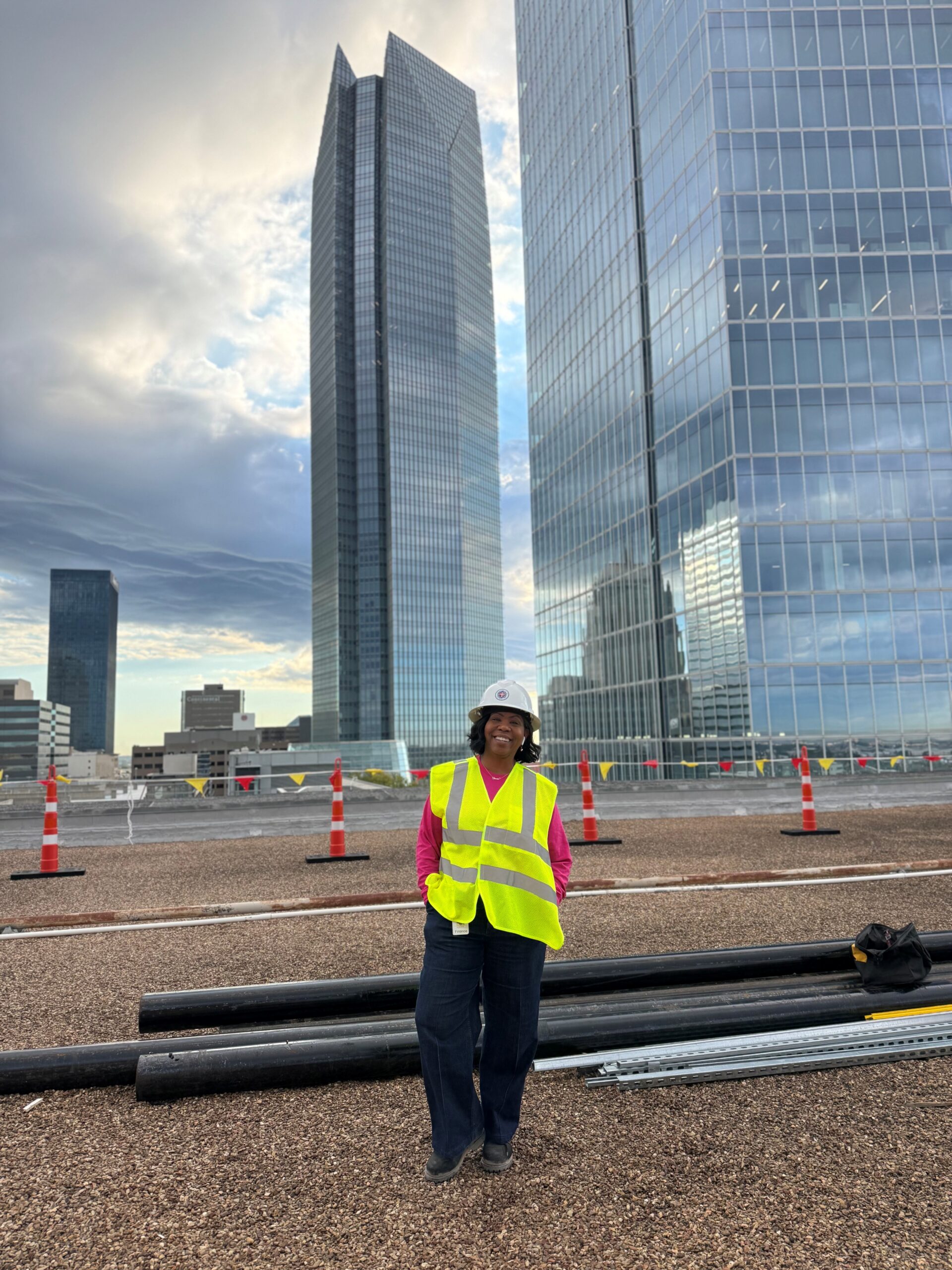 Keeping more than 5,000 employees safe across 23 departments and 620 square miles is no small task. For LaVeta, who leads Risk Management for the City of Oklahoma City, it means understanding the needs of a diverse workforce and building relationships with the people she serves.
The city’s Risk Management team oversees workers’ compensation, workplace safety, and property insurance. With employees working everywhere from A to Z (from the airport to the zoo), LaVeta relies on data, communication, and collaboration to identify risks and improve safety.
Using the city’s risk information system, her team looks for patterns in incidents and asks what may be behind them. This helps the city identify potential risks early, address underlying issues, and take proactive steps to prevent future incidents before they happen.
But numbers only tell part of the story. LaVeta emphasizes that safety is also about people. Her message to employees is simple: “Start safe, work safe, finish safe.” She reminds them that “there’s no shortcut worth getting hurt over.”
Making training count
With employees spread across a large geographic area, the city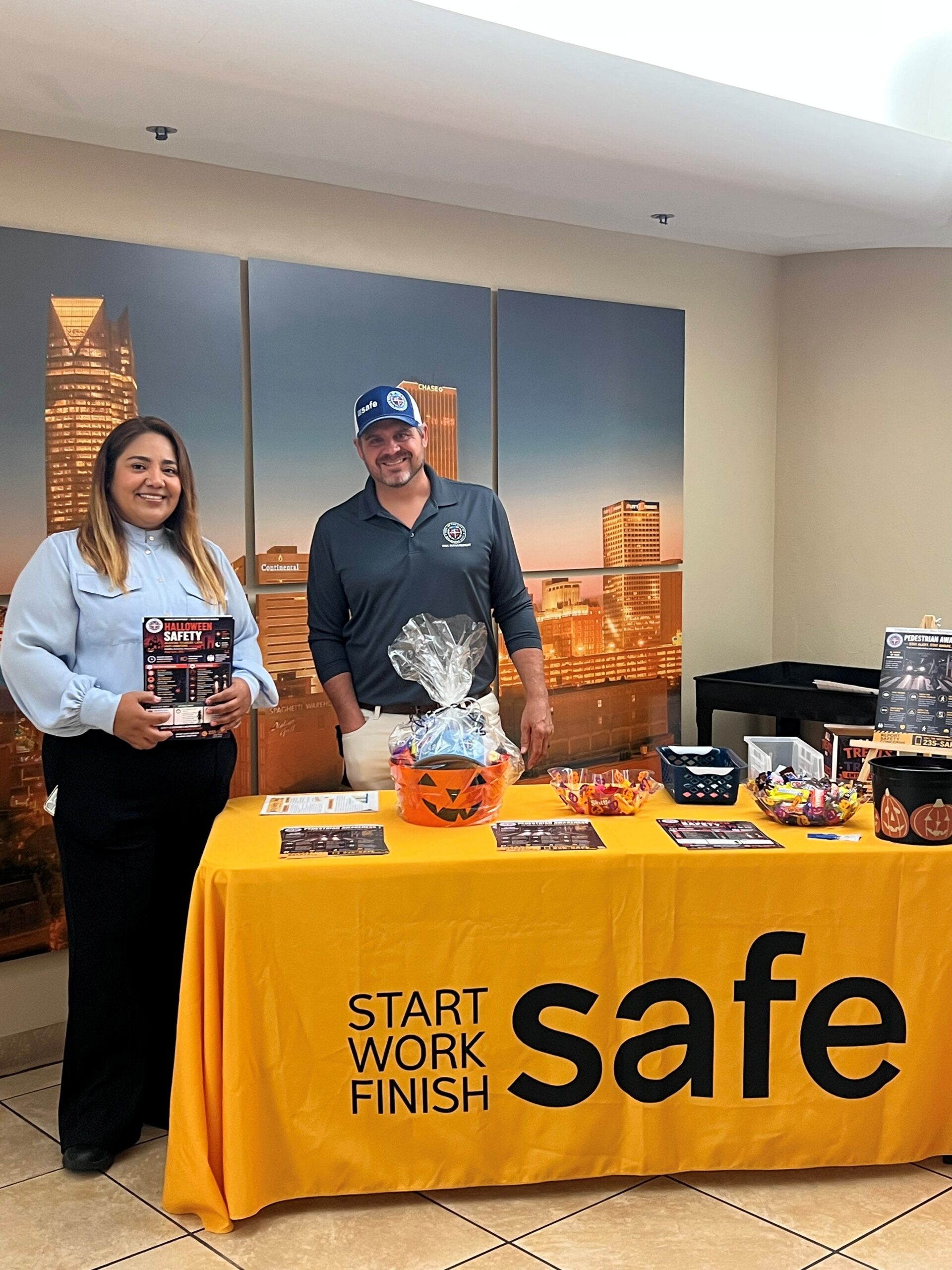 takes a creative approach to training. Each June, they participate in National Safety Month and hosts a “March Madness of Training,” bringing learning opportunities to employees across departments and locations.
LaVeta uses employee surveys and incident data to identify training needs, then works with the Oklahoma Safety Council (OSC) to find the right courses. Her goal is to provide training employees can connect with and use, while respecting their time.
The city also developed a program to support first responders experiencing PTSD. After a change in Oklahoma law allowed first responders to file workers’ compensation claims for mental injuries without a prior physical injury, LaVeta and her team spent months researching approaches and working with other communities to develop a program that fit the city’s needs. The effort focuses on connecting employees with qualified support and creating a culture where asking for help is encouraged.
Connection before correction
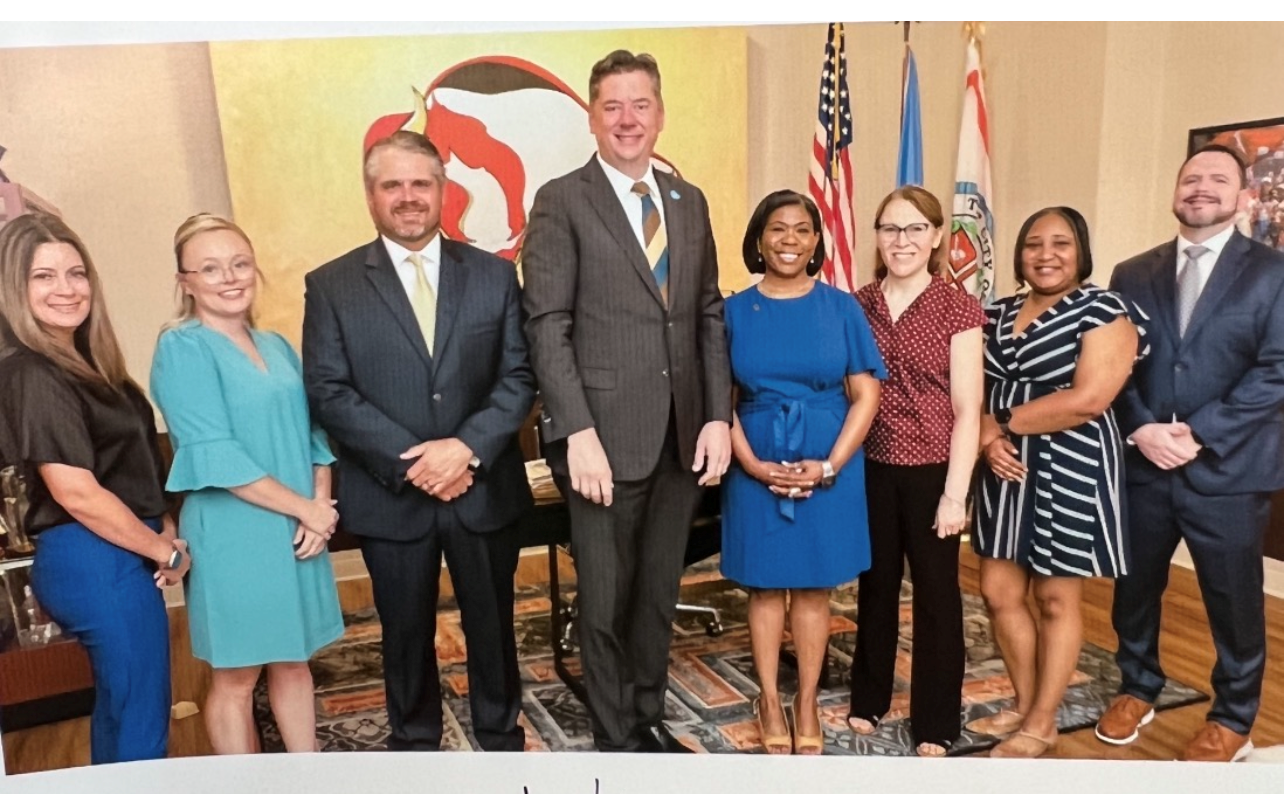 One of LaVeta’s biggest priorities is making safety everyone’s responsibility. The city has an employee emergency response team, with volunteers trained to help keep coworkers safe. LaVeta enjoys seeing new people have “lightbulb” safety moments and watching them become more engaged in creating safer workplaces. She wants every employee to recognize that safety isn’t just the responsibility of Risk Management. LaVeta says, “I tell people all the time: safety is not just my job, it’s everyone’s job. It takes all of us looking at things from a different angle.”
Her advice to other safety professionals comes down to one idea: “There can’t be any correction without a connection.”
LaVeta believes people need to trust you before they can hear feedback or make changes. That means taking time to understand their job, being available, and building a relationship before problems arise.
For safety leaders, her message is a reminder that strong safety cultures aren’t built through rules alone. They grow when people feel supported, involved, and responsible for looking out for one another.